
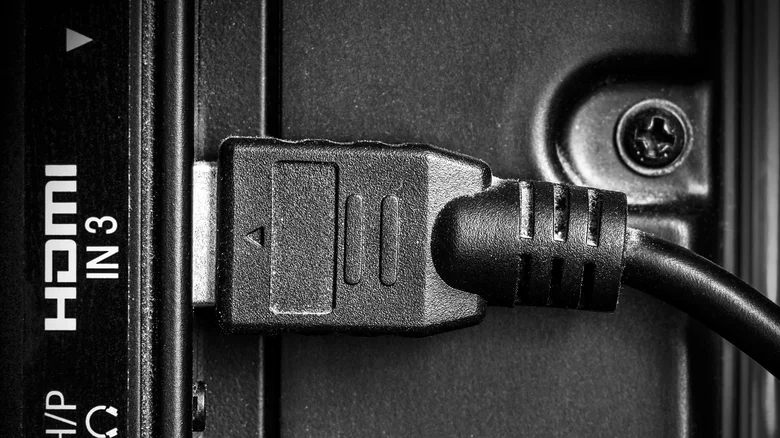
In the interconnected ecosystem of modern home entertainment and computing, the HDMI cable serves as a vital digital conduit. It is the standard bearer for transmitting high-definition audio and video signals between devices such as televisions, gaming consoles, streaming boxes, and computers. As technology has advanced, so too have HDMI specifications, evolving to support breathtaking features like 4K and 8K resolution at high refresh rates, Variable Refresh Rate (VRR) for smoother gaming, and Enhanced Audio Return Channel (eARC) for lossless surround sound. This progression, however, has spawned a marketplace rife with confusion and misinformation. Consumers are often confronted with a dizzying array of cable choices accompanied by marketing claims that blur the line between technical fact and clever persuasion. To make an informed purchase without overspending, it is essential to separate the established engineering standards from the pervasive myths that have taken root around these ubiquitous cables.
Myth: A Higher Price Guarantees Better Performance
One of the most persistent beliefs is that a more expensive HDMI cable will deliver a superior picture or sound quality compared to a modestly priced alternative. This misconception is a holdover from the analog era, where cable construction could genuinely impact signal integrity. HDMI, however, carries a digital signal. This fundamental distinction is crucial: a digital transmission works on a principle of data packets being delivered intact or not at all within the cable’s designed bandwidth. Provided the cable is properly constructed and meets the required HDMI specification—such as Premium High Speed or Ultra High Speed—it will transmit the ones and zeros that compose the signal perfectly. A fifty-dollar cable and a five-dollar cable of the same certified specification will produce an identical image and audio output. There is no “premium” video quality, richer colors, or clearer sound to be gained from exotic materials or marketing jargon. The key is to ignore the price tag and focus on the official certification label, which is your guarantee the cable has passed rigorous testing to perform to its advertised standard.
Myth: Gold-Plated Connectors Enhance Signal Quality
Marketing materials frequently highlight gold-plated connectors as a premium feature that improves performance. In reality, the plating on an HDMI connector has zero effect on the quality of the digital signal passing through it. The primary benefit of gold plating is its superior resistance to corrosion and oxidation compared to metals like tin or nickel. For a cable that is plugged in once and left undisturbed for years in a typical living room environment, this advantage is largely academic. Corrosion only becomes a genuine concern in unusually harsh environments, such as coastal areas with salty air or spaces with high chemical vapor concentrations. For the vast majority of users, standard nickel or tin-plated connectors are entirely sufficient and will provide a reliable connection for the lifespan of the device. Paying a significant premium specifically for gold plating is generally unnecessary. If a gold-plated cable is offered at the same price as a non-gilded certified cable, it can be a nice bonus for long-term durability, but it should not be a primary purchasing criterion or a justification for a higher cost.
Myth: Cable Length Has No Impact on Performance
Contrary to the belief that any length will do, the physical length of an HDMI cable is a critical factor for reliable performance, especially with the latest high-bandwidth standards. All cables introduce signal attenuation; as length increases, the digital signal can degrade to the point where the receiving device can no longer accurately interpret the data, leading to sparkles on the screen, intermittent dropouts, or a complete loss of signal. This is particularly true for Ultra High Speed HDMI cables (HDMI 2.1), which carry an enormous 48 Gbps of data. For these cables, it is generally recommended to keep passive lengths under 3 meters (approximately 10 feet) to ensure full performance without issue. Older High Speed (HDMI 2.0) cables can often work reliably in passive form up to 7.5 meters (about 25 feet). For installations requiring longer runs, such as home theaters where the source equipment is far from the display, passive cables will likely fail. The solution is to use an active or hybrid fiber optic HDMI cable. These cables incorporate built-in electronics or optical fibers to boost and carry the signal over much greater distances—potentially up to 100 feet or more—without degradation, ensuring that picture quality remains pristine regardless of length.
Navigating the Purchase with Clarity and Confidence
Equipped with these clarifications, purchasing an HDMI cable becomes a straightforward exercise in matching specifications to need. First, identify the capabilities of your source and display devices. If you have a PlayStation 5 or a modern graphics card and a 4K/120Hz TV, you require an Ultra High Speed HDMI cable to access all features. For a standard 4K Blu-ray player and a 4K/60Hz TV, a certified Premium High Speed cable is sufficient. Second, always look for the official certification label or logo on the packaging, not just unverified marketing terms like “8K Ready.” Third, buy the appropriate length for your setup, opting for an active cable if a run exceeds recommended passive limits. Finally, trust in the certification over brand name or price. By dismissing the myths of price-based quality, overhyped connector materials, and length invulnerability, you can invest in cables that guarantee performance without succumbing to unnecessary expense, ensuring your home entertainment system performs exactly as the engineers intended.